

Embedded hardware and firmware
We open the box: debug ports, firmware, secure boot, and the chip itself under side-channel analysis and fault injection.
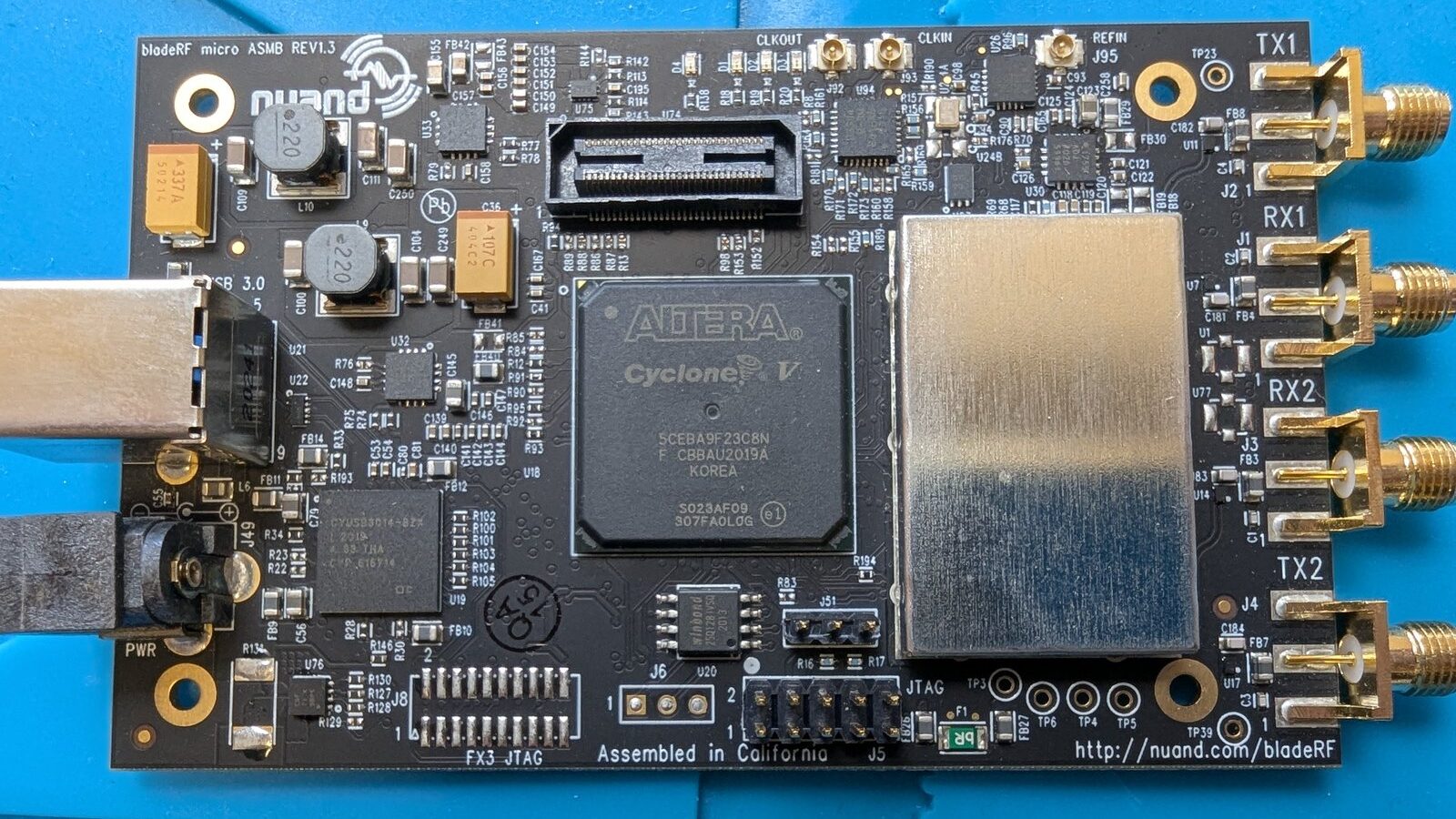
What an attacker could do
We check it before they do, with the same equipment.
Pull the firmware
Read firmware and secrets through a debug port or flash.
Break secure boot
Defeat unsigned or badly checked updates and boot chains.
Extract keys
Recover keys with side-channel analysis (power, EM).
Glitch it
Skip a security check with fault injection.
What we test
- Debug ports and external interfaces
- Firmware, secure boot and update mechanisms
- Secrets at rest in flash and in the chip
- Side-channel analysis and fault injection
- The protocol stacks behind each interface (USB, serial, debug): we hunt for the bugs an attacker with the device in hand could use to take it over
How to work with us
The evolution of RH850 hacking: from a DIY to the Pico Glitcher v3
How to Hack Any Micro-controller with a Raspberry Pi Pico: Easy Fault Injection by Traffic Mocking
Unitree Robots Under Fire
3D hardware simulation tool in your browser (LEDs only for now)
Protecting LoRaWAN Hardware from Attacks in the Wild
Deep dive into LoRa(WAN) RF and Hardware Security
Trainings on this subject
All trainingsNo public course on hardware attacks yet: we build a tailored training for your team on debug ports, firmware, side-channel analysis and fault injection.
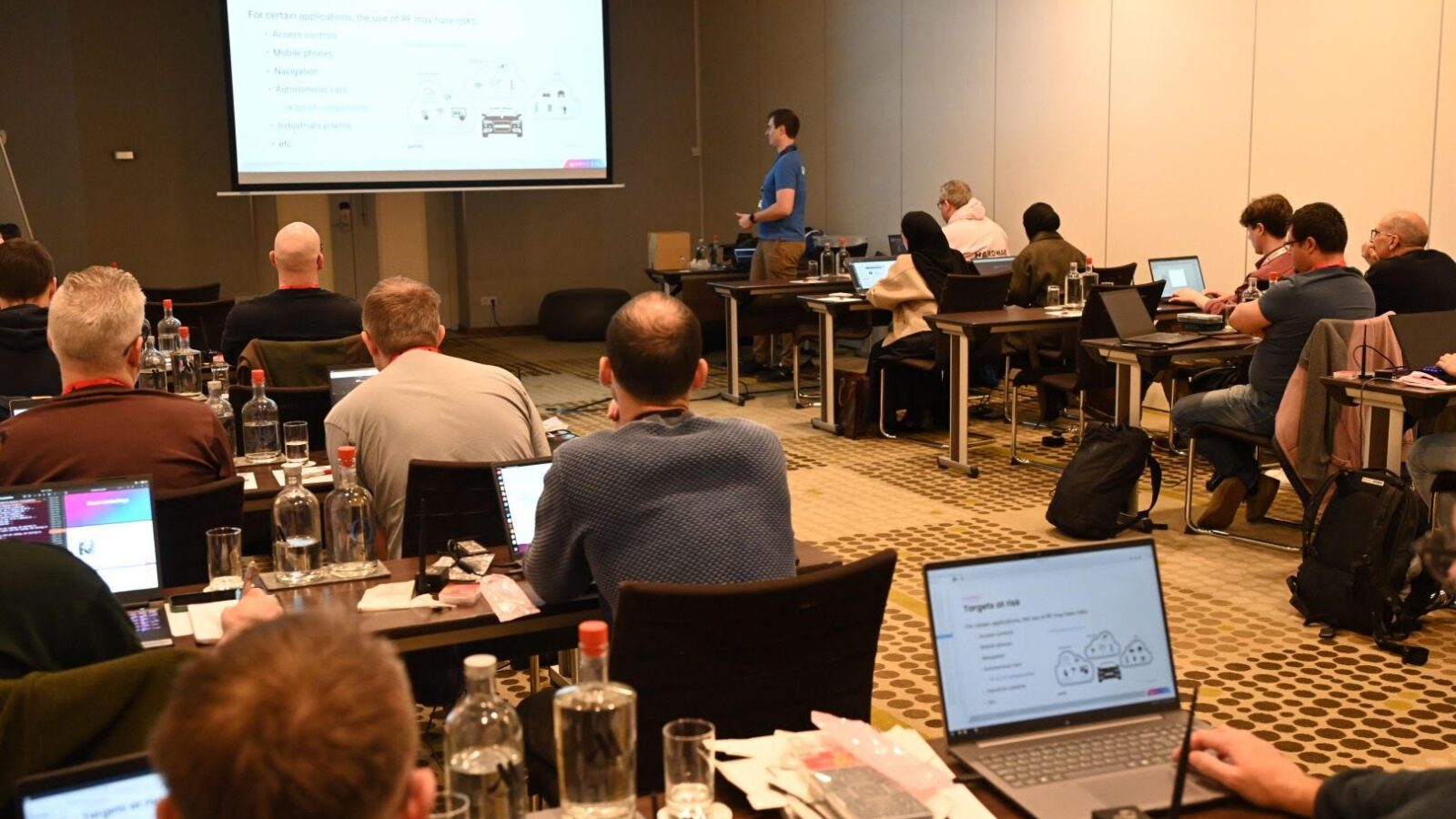
Built around your stack: baseband fuzzing, Wi-Fi protocol stacks, advanced RFID and NFC with SDR, hardware attacks on embedded systems, and other technologies.
Talk to us about your project
We scope the work in a first call, then send a fixed-price proposal: intrusion tests, vulnerability research, fuzzing, test benches, trainings. Offices near Paris, Monday to Friday, 9:00 to 19:00.